Colorectal Cancer
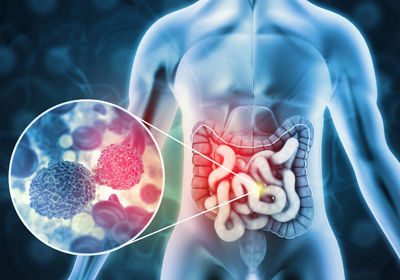
Colorectal cancer affects the colon (large intestine) and rectum and is one of the most common cancers. It often develops from precancerous polyps over time. Early detection through screening and timely treatment can significantly improve outcomes and survival rates.
Signs & Symptoms
Common symptoms may include:
-
Changes in bowel habits (diarrhea or constipation)
-
Blood in stool or rectal bleeding
-
Abdominal pain or cramping
-
Unexplained weight loss
-
Fatigue or weakness
-
Feeling of incomplete bowel emptying
Risk Factors
-
Age above 45 years
-
Family history of colorectal cancer or polyps
-
Sedentary lifestyle and obesity
-
Diet low in fiber and high in processed foods
-
Smoking and alcohol consumption
Our Approach
We focus on:
-
Early detection through screening (colonoscopy, stool tests)
-
Accurate diagnosis and staging
-
Personalized treatment planning
-
Minimally invasive and advanced surgical techniques
-
Multidisciplinary care with oncology specialists
Treatment Options
Depending on the stage and condition, treatment may include:
-
Surgical removal of the tumor (colectomy or rectal surgery)
-
Minimally invasive laparoscopic or robotic surgery
-
Chemotherapy
-
Radiation therapy (especially for rectal cancer)
-
Targeted therapy
Benefits of Early Detection
-
Higher chances of complete cure
-
Less invasive treatment options
-
Prevention through removal of precancerous polyps
-
Improved quality of life and survival
Why Choose Us
-
Expertise in colorectal cancer surgeries
-
Advanced diagnostic and surgical facilities
-
Comprehensive and coordinated cancer care
-
Patient-centered and compassionate approach